

 Q. 2A brief overview of different types of renewable resources.
Renewable energy is energy that comes from a source that won’t run out. They are natural and self-replenishing, and usually have a low- or zero-carbon footprint.
Examples of renewable energy sources include wind power, solar power, bioenergy (organic matter burned as a fuel) and hydroelectric, including tidal energy.
Burning fossil fuels to create electricity has long been a major contributor in the emission of greenhouse gases into our atmosphere, so these renewable sources are considered vital in the race to tackle climate change.
Wind
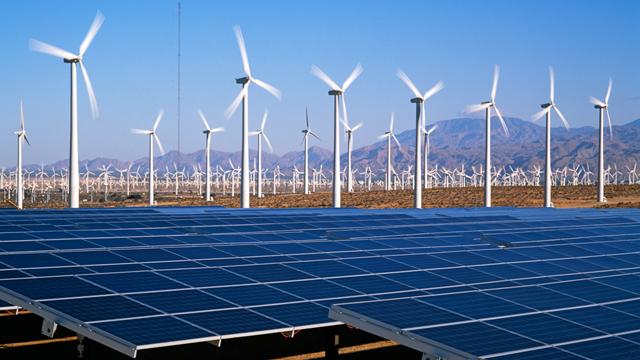
Wind power is the largest producer of renewable electricity in both the UK and the US. Onshore and offshore wind farms generate electricity by spinning the blades of wind turbines. The turbines convert the kinetic energy of the spinning blades into electric energy by turning a drive shaft and gear box, which is connected to a generator. Electricity is then converted into higher voltages and fed into the national grid.
Solar
Sunlight is one of the planet’s most freely available energy resources, which you’d assume would make it the number one source of renewable energy. But of course, the amount of sunlight we get can vary greatly depending on location, season and time of day.
Solar power generates electricity by capturing sunlight on solar panels in a joint chemical and physical reaction, known as the ‘photovoltaic effect’ (or PV).
Hydroelectric
Hydro power is created using the movement of flowing or falling water.Hydroelectric power plants are found at dams and generate electricity through underwater turbines that turn a generator. Hydro power also encompasses wave and tidal power, which rely on ocean forces to generate electricity at the mouths of large bodies of water, using similar technology.
Bioenergy
Electricity can be generated when organic matter is burned as a fuel source. These fuels are known as biomass and include anything from plants to timber to food waste. Carbon dioxide (CO2) is emitted when bioenergy is made, but these fuel sources are considered renewable because they can be regrown and absorb as much carbon as they emit across their lifespans.
What are the benefits of renewable energy?
There are several reasons why harnessing the power of renewable energy sources is so important for our future.
As they’re in much more plentiful supply, compared to fossil fuels, governments across the world are looking to develop renewables to exclusively power their nations.
Perhaps most importantly, renewables produce little or no harmful emissions when used, so the clean energy they provide will play a crucial role in preventing further global warming. It’s why so many of our net zero goals in the future hinge on increasing their use today.
Under the Variation with Height tab on the Wind Resource page, you can describe the way the wind speed increases with height above ground. HOMER uses this information to calculate the wind speed at the hub height of the wind turbine.
Q.3 Variation of wind speed with height
Ground-level obstacles such as vegetation, buildings, and topographic features tend to slow the wind near the surface. Because the effect of these obstacles decreases with height above ground, wind speeds tend to increase with height above ground. This variation of wind speed with height is called wind shear. Wind energy engineers typically model wind shear using one of two mathematical models, the logarithmic profile or the power law profile.
Under Wind speed profile, select either the Logarithmic radio button or the Power law radio button.
Q.4 Wind energy program scenario in India.
India has undertaken one of the world's largest efforts for wind resource assessment, a programme that covers 25 states comprising about 900 stations. The study has indicated a gross wind potential of around 45000 MW and the technical potential is currently estimated at 13000 MW.
Q.5 site selection considerations.
Renewable energy projects are becoming more popular and profitable as the demand for clean and sustainable power sources grows. However, choosing the right site for a renewable energy project is not a simple task. There are many factors that you need to consider, such as the availability and quality of the natural resources, the environmental and social impacts, the technical and economic feasibility, and the regulatory and legal requirements. In this article, we will discuss some of the most important factors that you should consider when selecting a site for renewable energy projects.
Comments
Post a Comment